
Faceless video generator for long-form YouTube.
A faceless video generator that turns an idea into a finished video: script, voiceover, visuals, and edit. The same characters and the same look from the first minute to the last.
Made once, consistent everywhere.
Characters, style, and setting stay the same from the first shot to the last. Nothing changes between scenes.






Your style, not a template

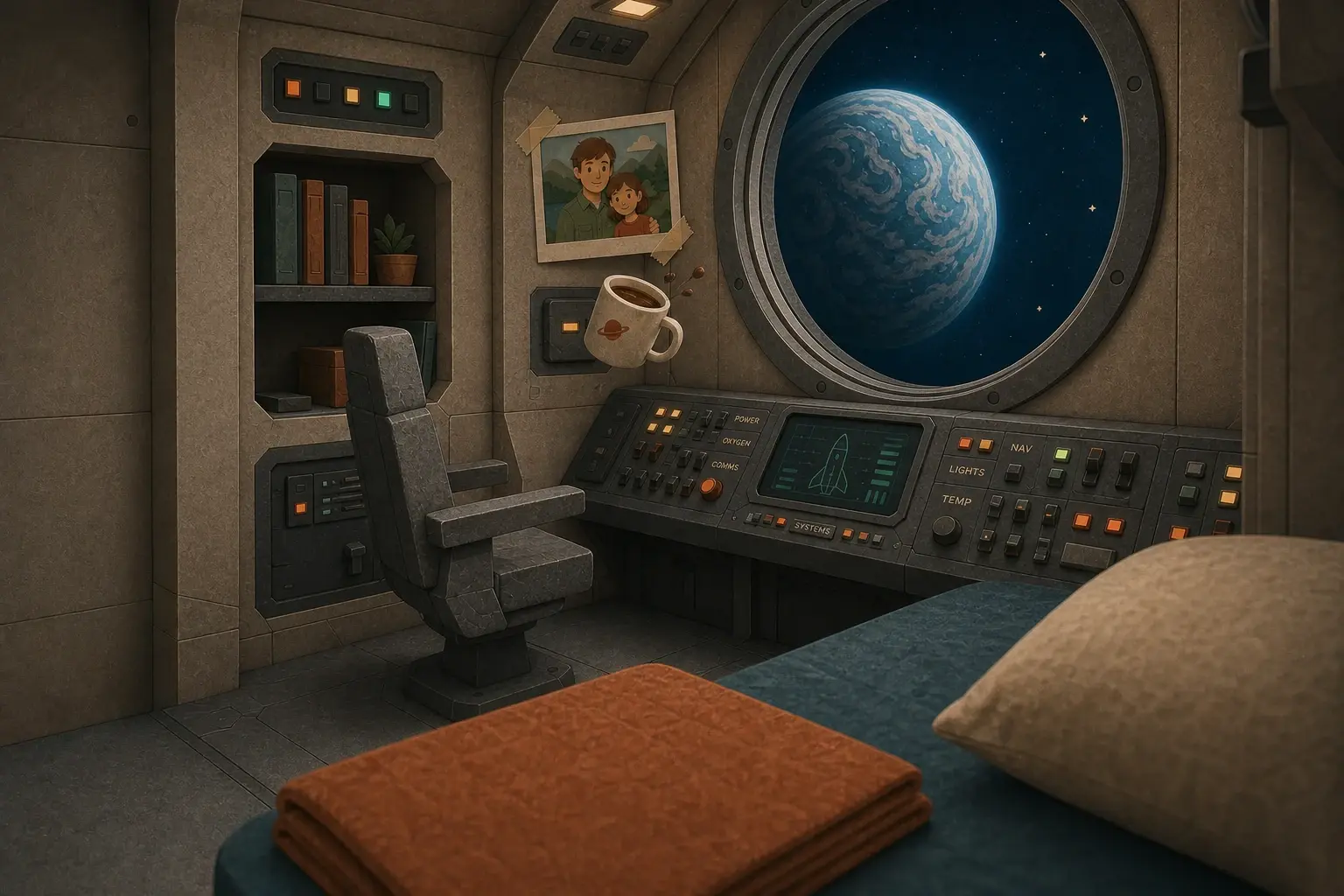
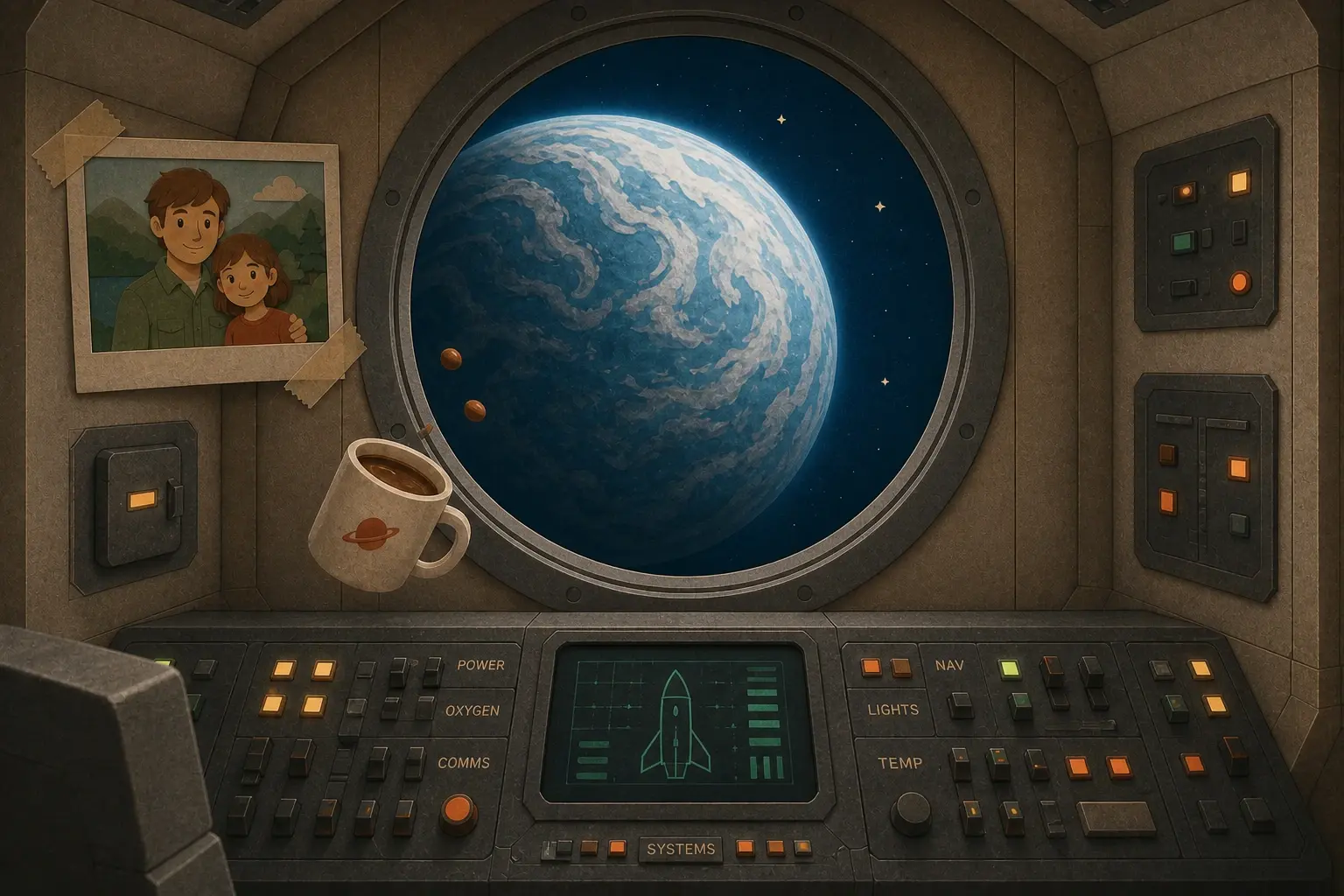

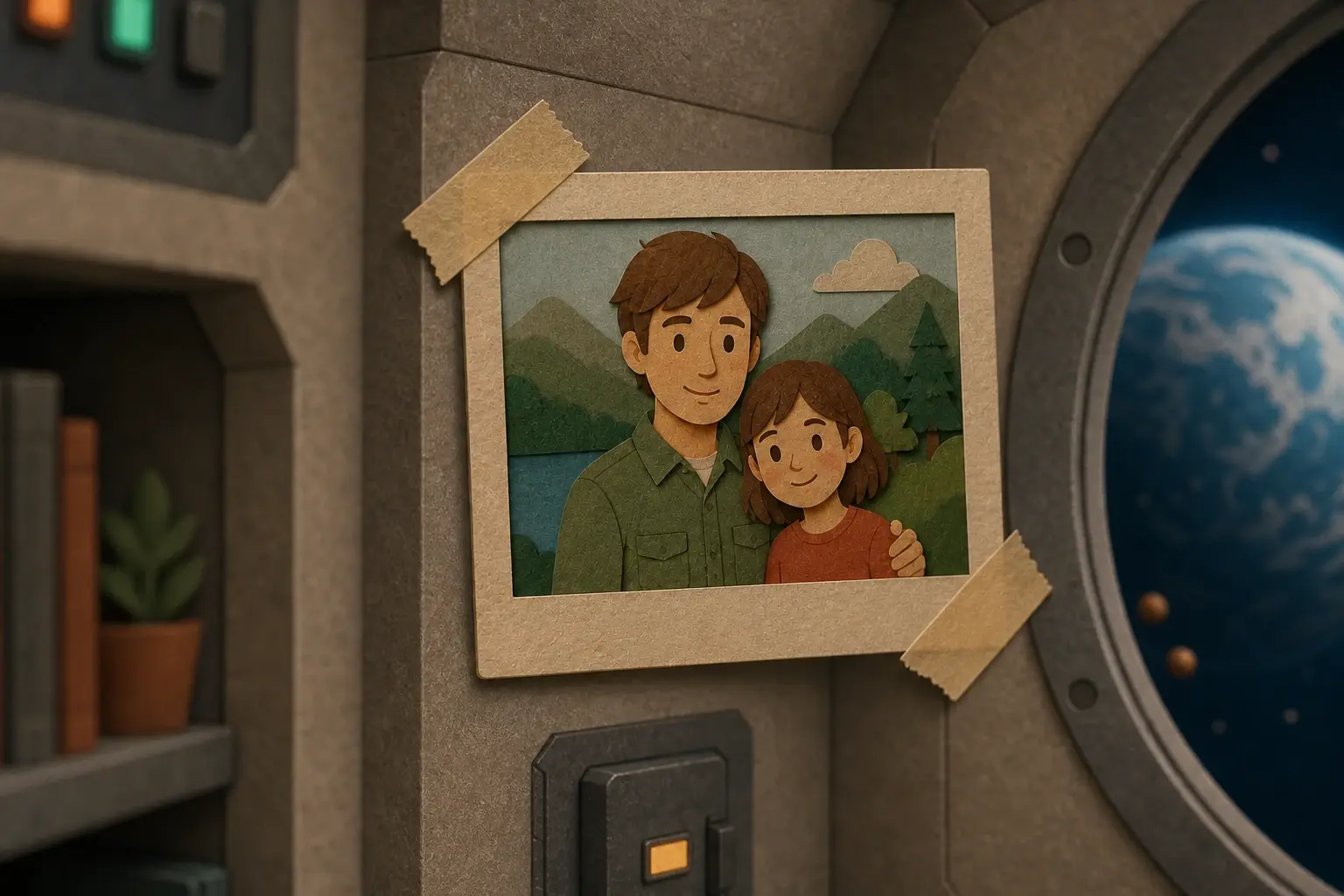
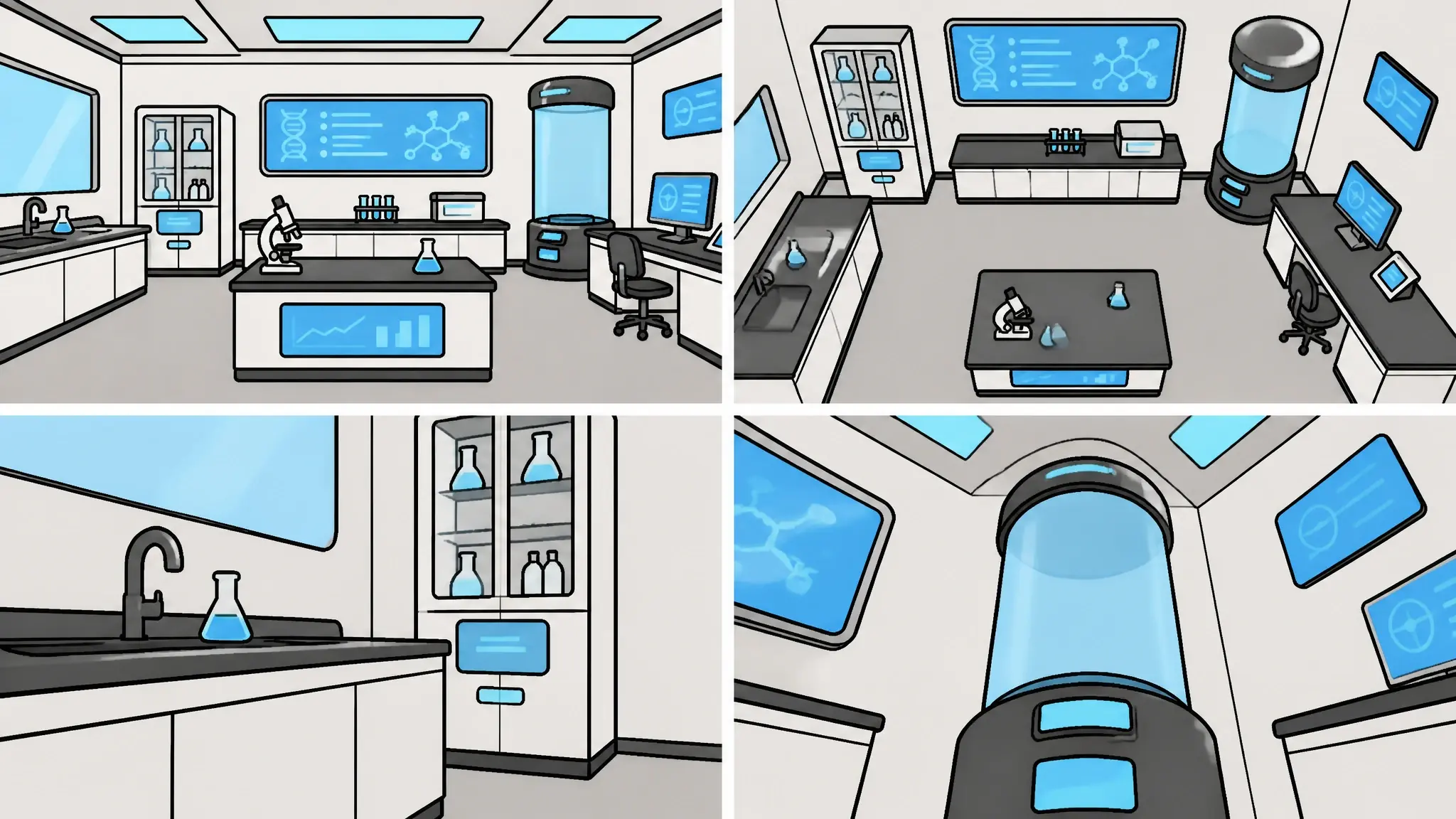
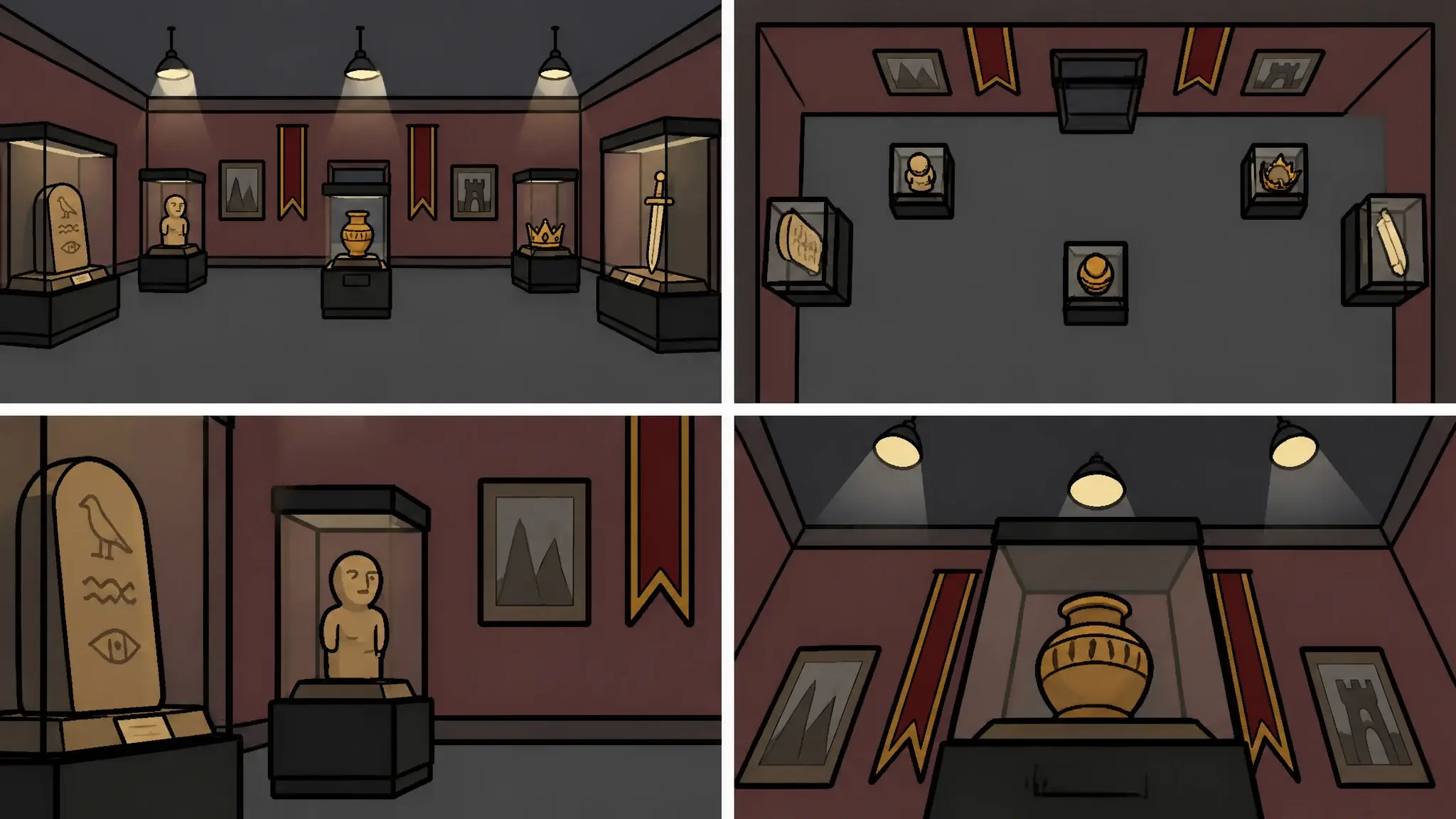
A world that stays the world
Any niche, faceless
Every faceless niche, in your channel's look.
True crime, history, sports, explainers, animals. Bring a script, lock your look, and get the whole video with the same characters and style in every shot. No camera, no face, no template.
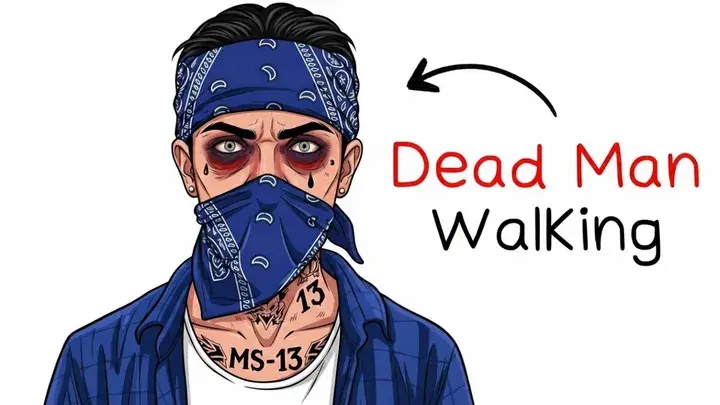 True crime
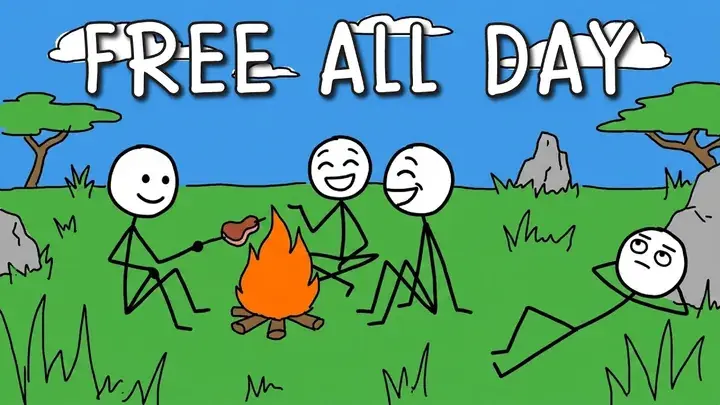 History
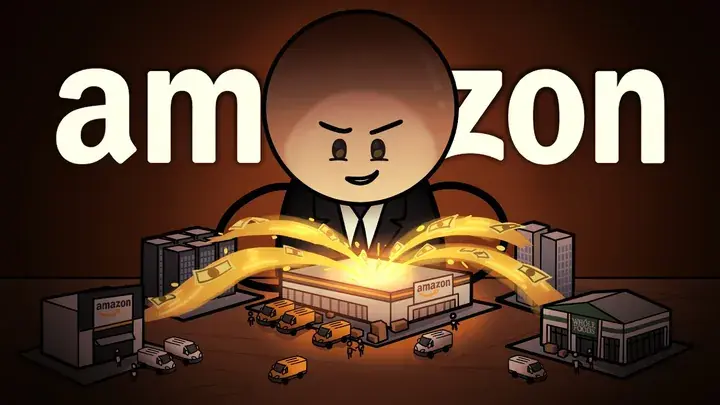 Business
 Animals
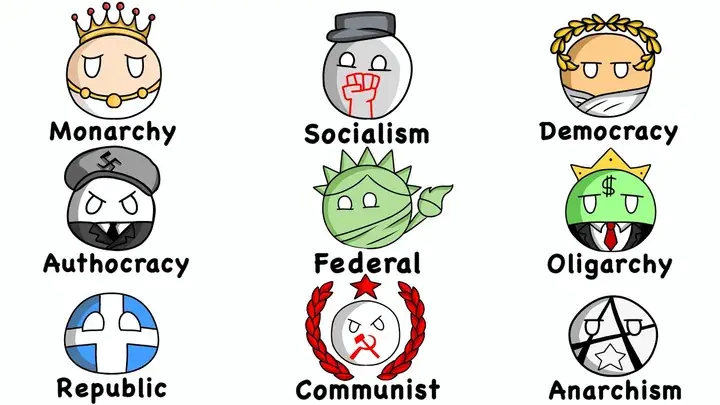 Education
 Manhunt
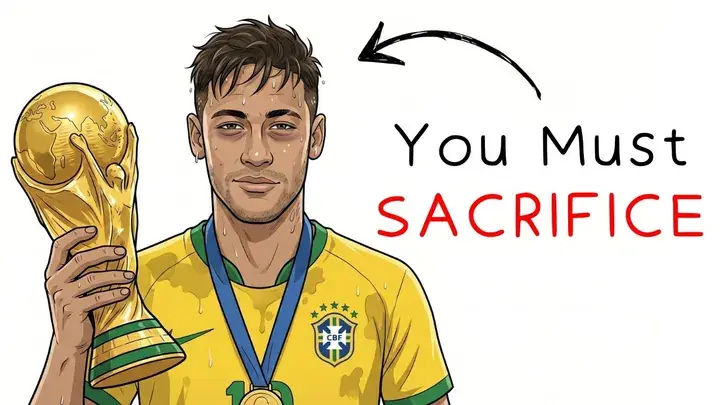 Sports
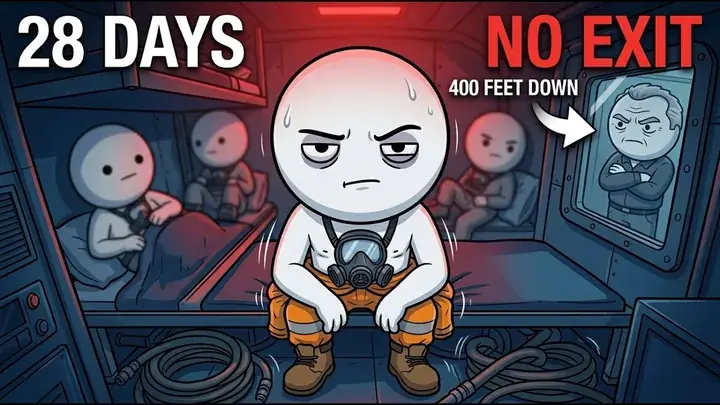 Survival
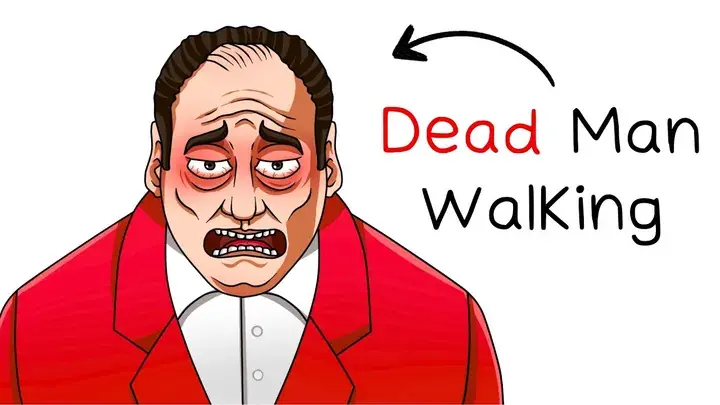 Mafia
Mafia Spy thriller
 Pets
Pets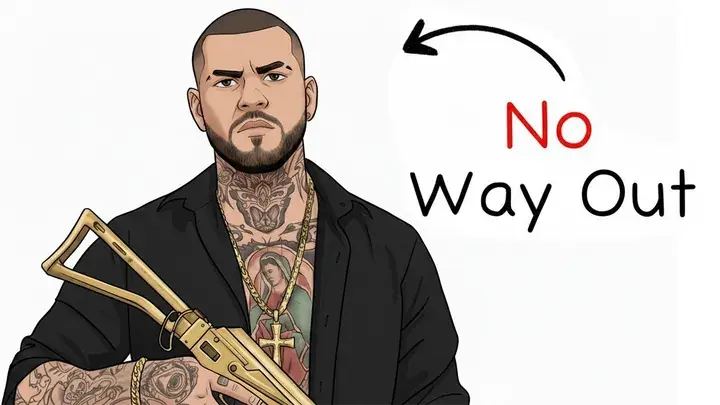 Cartel
What you actually get.
Faceless videos that don't look like slop.
- Deep Documentary
AI voiceovers that actually sound real.
One template




Your script
Built for the monetization rules.
- One bill



One subscription, not five.
Not the slideshow tier
Built to make videos people keep watching.
youtube.com/@yourchannel
Analyze your style
Art styleStick-Figure Cartoon
NarrativeClear Explainer
DirectorFast cuts & zooms
Your look, not a template
Paste a channel link and Framesail learns its look. Every shot is made in your style, never stamped from a preset.
Locked references


Characters and worlds, locked
Set your channel's character and environment references once. The same face, the same world, shot one to shot fifty.
Deep DocumentaryLow, cinematic · MiniMax
0:002:41
Cinematic narrator voices
Documentary, dramatic, deep — real narrator voices on the model you pick. Not the flat text-to-speech that gives a channel away.
Not a template,
a channel of your own.
Slop vs. a real production
Templated tools give you slop. We give you original videos in your own look.
Templated faceless tools
- Output: Re-skinned from one template
- Characters: Change from shot to shot
- Voice: Flat AI text-to-speech
- Policy risk: Mass-produced, the kind YouTube removes
- Export: Watermarked, locked-in
Framesail
- Output: Made from your script
- Characters: The same in shot 1 and shot 50
- Voice: Cinematic narrator voices
- Policy risk: Original, one video at a time
- Export: Clean video, yours to monetize
Your channel,
every shot on style.
How the faceless video generator works
Topic in, finished video out.
No signup. Click through a real video, start to finish.
Your idea
What Will Humans Look Like in 1000 Years
Characters
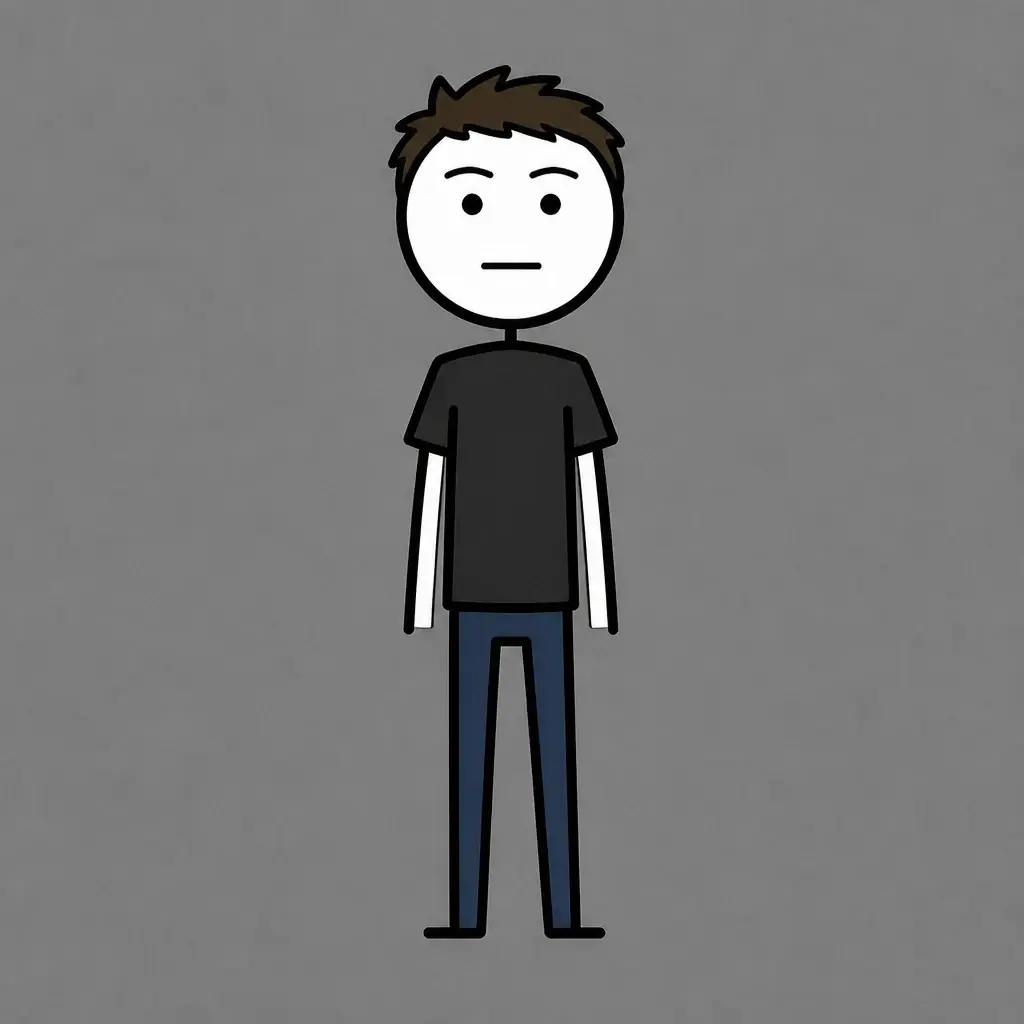

Places

Objects






Expressive Narrator
Clear, upbeat explainer
 Scene 1
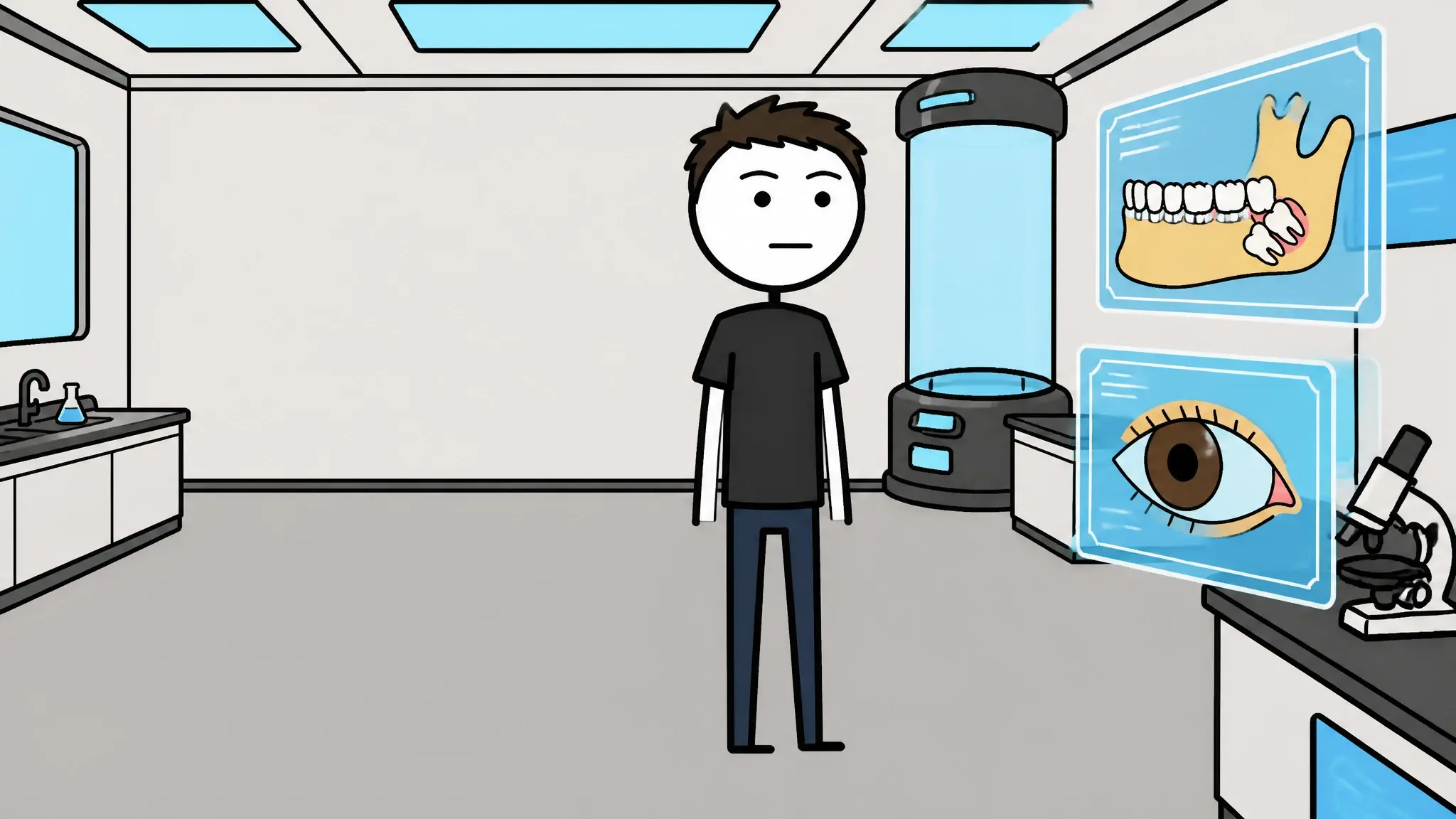 Scene 19
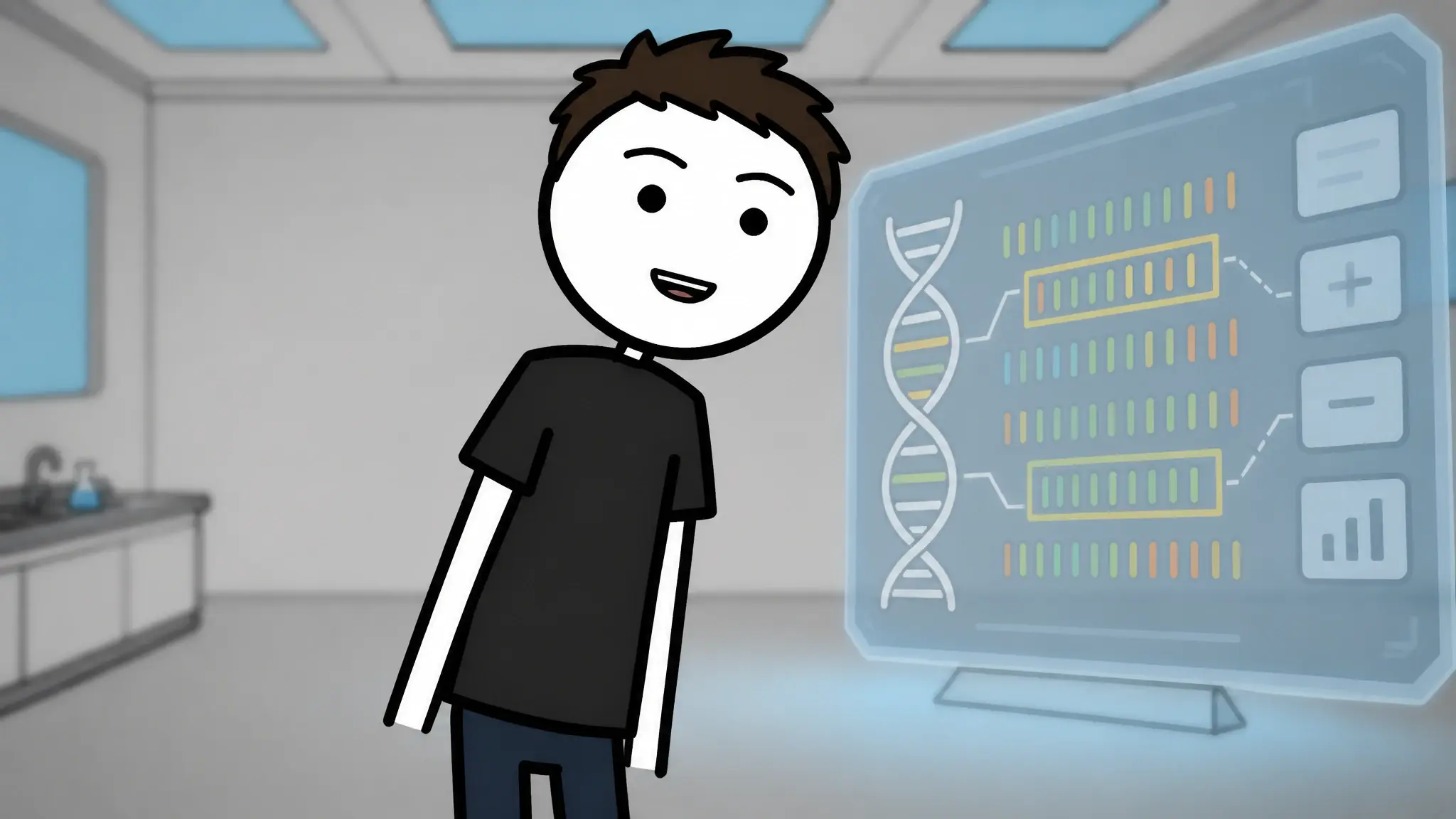 Scene 22
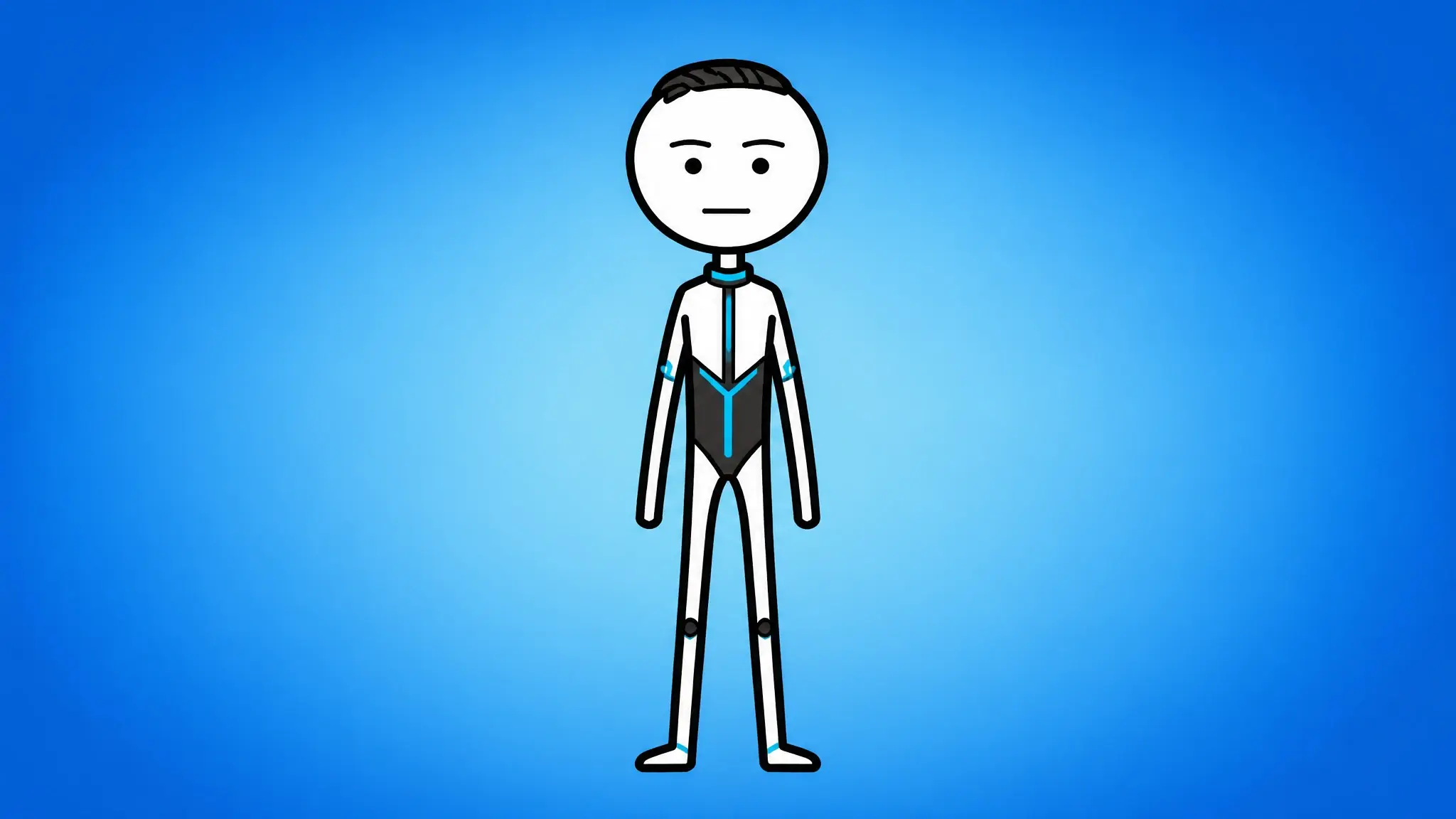 Scene 18
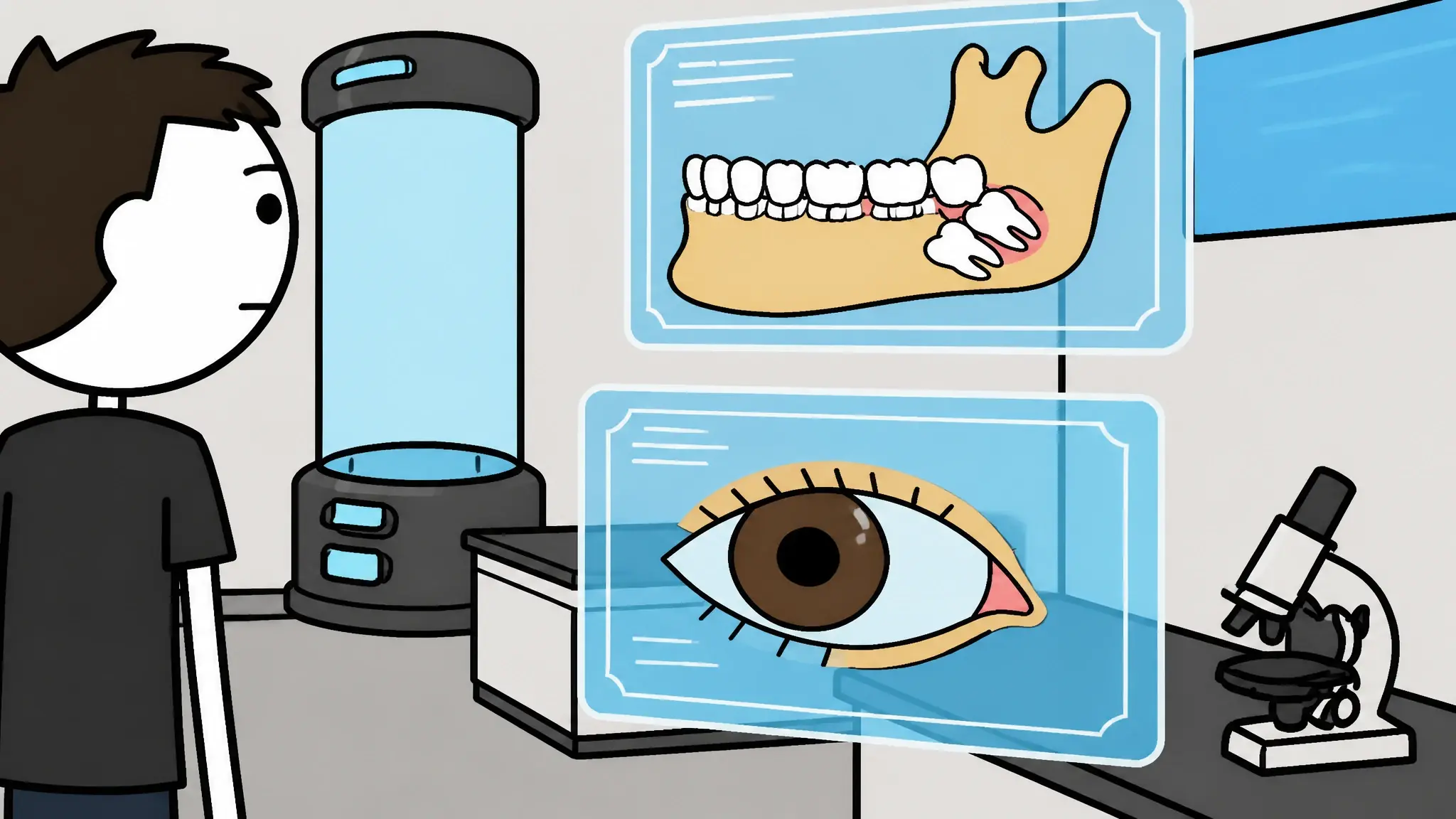 Scene 20
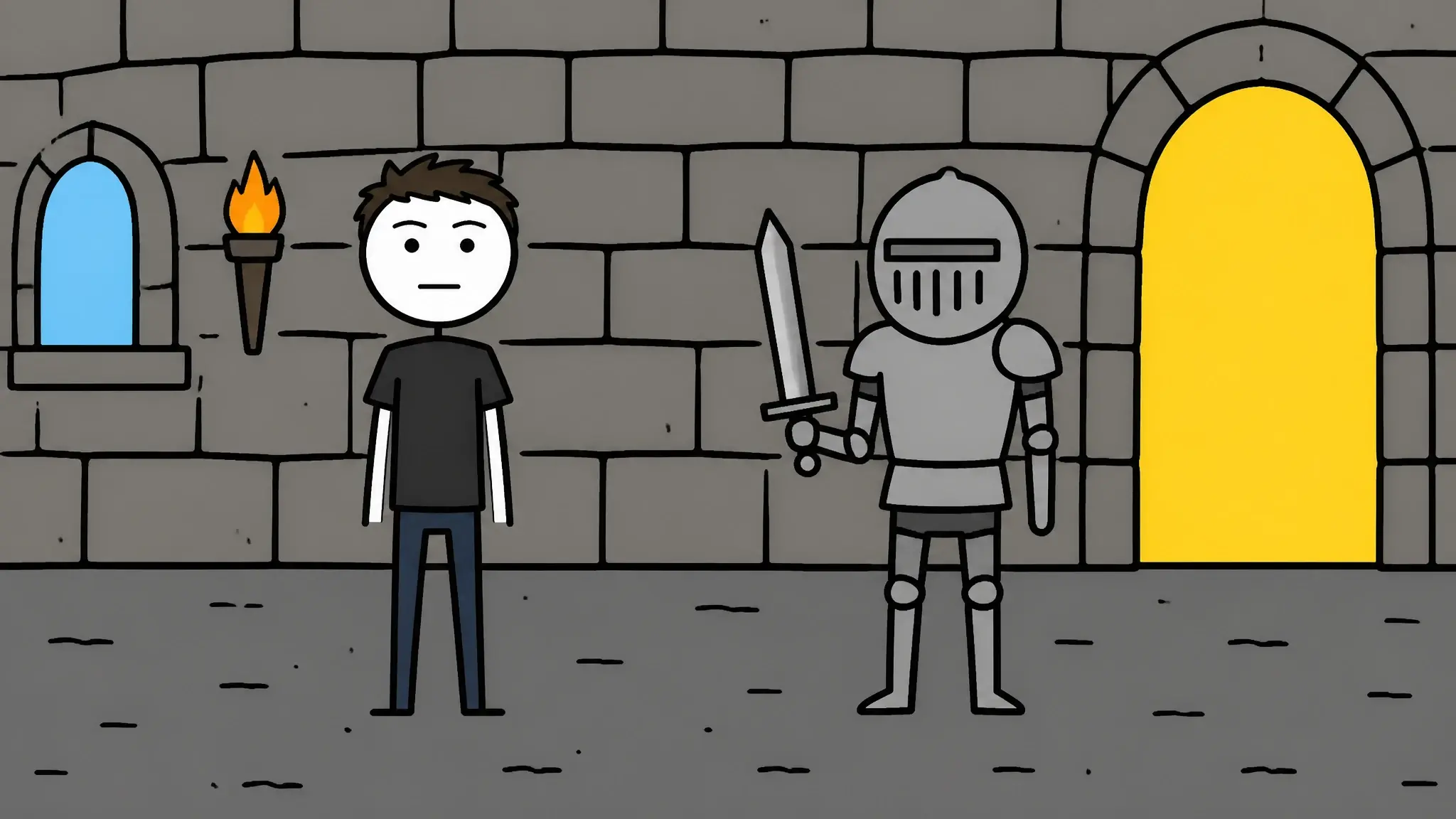 Scene 26
Type an idea or paste your script.No filming, no face on camera.
Why non-templated matters now
The templated faceless era is over.
YouTube's July 2025 inauthentic-content policy ended it. Channels farming templated slideshow clips are exactly what it targets.
Framesail makes the opposite: every shot built from your script, with your own characters and your own look. It's the same tool behind our long-form AI video generator and script to video AI.
Questions
Questions about faceless video generator.
What is a faceless video generator?
It's a tool that produces narrated YouTube videos without anyone on camera — script, visuals, voiceover, and final video, all generated. Framesail is built for the cinematic end of that category: long-form stories with the same characters throughout, rather than templated slideshow output.
Will the output trigger YouTube's inauthentic-content policy?
YouTube's July 2025 update went after mass-produced, repetitive uploads — channels stamping one format hundreds of times. Framesail is built for the opposite: original stories with their own characters, each one its own video. That lowers the specific risk the update targets; it doesn't move responsibility for the channel off you.
Which verticals does it work best for?
Mythology, history, science explainers, documentary commentary, true crime, and premium tech storytelling — anywhere a cinematic look and a consistent visual world matter more than rapid templated output.
Is Framesail a faceless YouTube automation tool?
It automates the production, not the channel. Script, visuals, voiceover, and final video all happen in one place — but you pick the topics, review each step, and own the upload. That review step is exactly what separates a channel that survives YouTube's policy sweeps from one that doesn't.
Can it run a whole channel hands-off via the API?
Pro plans and above expose everything over a REST API and an MCP server, so an agent can take a brief to a finished video. We still recommend a human pass on every upload — automation at scale with templated output is the pattern YouTube terminates.
How long does a render take?
It tracks episode length. Every step runs on its own, so you start a job and walk away — for a channel, the cadence that matters is your publishing schedule, not how long one video takes to render.
Can I run multiple faceless channels from one account?
Yes. The Creator tier supports up to 2 channels, and Pro lifts the cap to unlimited. Each channel can hold its own style, characters, and reference set.
Commercial use?
Yes — monetized channels are the point. Every paid tier includes a full commercial license: run the ads, take the sponsorships, keep the revenue.
More on the main FAQ page.
Run the channel you've been planning.
Make a real video in Framesail and judge the result, not the promises.